
Table of Contents
- Stone Veneer vs. Brick: Two Materials, Two Different Personalities
- Why Your Exterior Cladding Decision Deserves Real Thought
- Five Things Worth Weighing Before You Choose Your Home’s Exterior Cladding
- Making the Right Exterior Cladding Choice for Your Home
- Stone Veneer vs. Brick Exterior Cladding Options at a Glance
- Frequently Asked Questions (FAQ)
Stone Veneer vs. Brick: Two Materials, Two Different Personalities
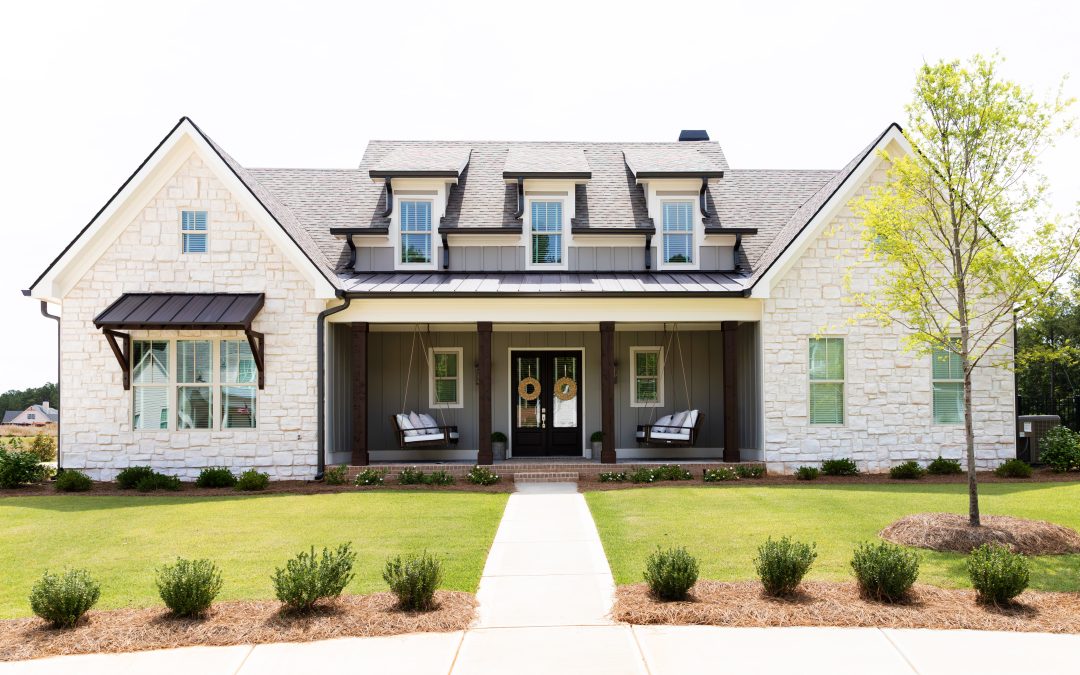
If you’re choosing an exterior for your home, brick and stone veneer are probably both on your list. They’re the two most common masonry-based claddings, and homeowners have leaned on them for generations. Put them side by side, and the differences show up fast. Brick is manufactured, so every piece matches the one beside it. Stone veneer is cut from real stone, so the color and texture shift from piece to piece the way they do in nature, and that difference runs deeper than looks alone.
Why Your Exterior Cladding Decision Deserves Real Thought
An exterior facade isn’t something you swap out every few years like paint or shutters. Once brick or stone veneer is installed, it’s typically there for the life of the house, so the choice carries more weight than most homeowners expect going in. What material you choose affects resale appeal, the home’s aesthetic, and how much attention the exterior will need over the next twenty or thirty years.
Five Things Worth Weighing Before You Choose Your Home’s Exterior Cladding
Choosing the right exterior cladding for your home comes down to five practical questions: how you want the home to look, what your climate puts the exterior through, what you’re comfortable spending, how long the material needs to last, and how much upkeep you’re willing to take on. Here’s how stone veneer and brick stack up against each other on each one.
Style: Classic Consistency or One-of-a-Kind Texture
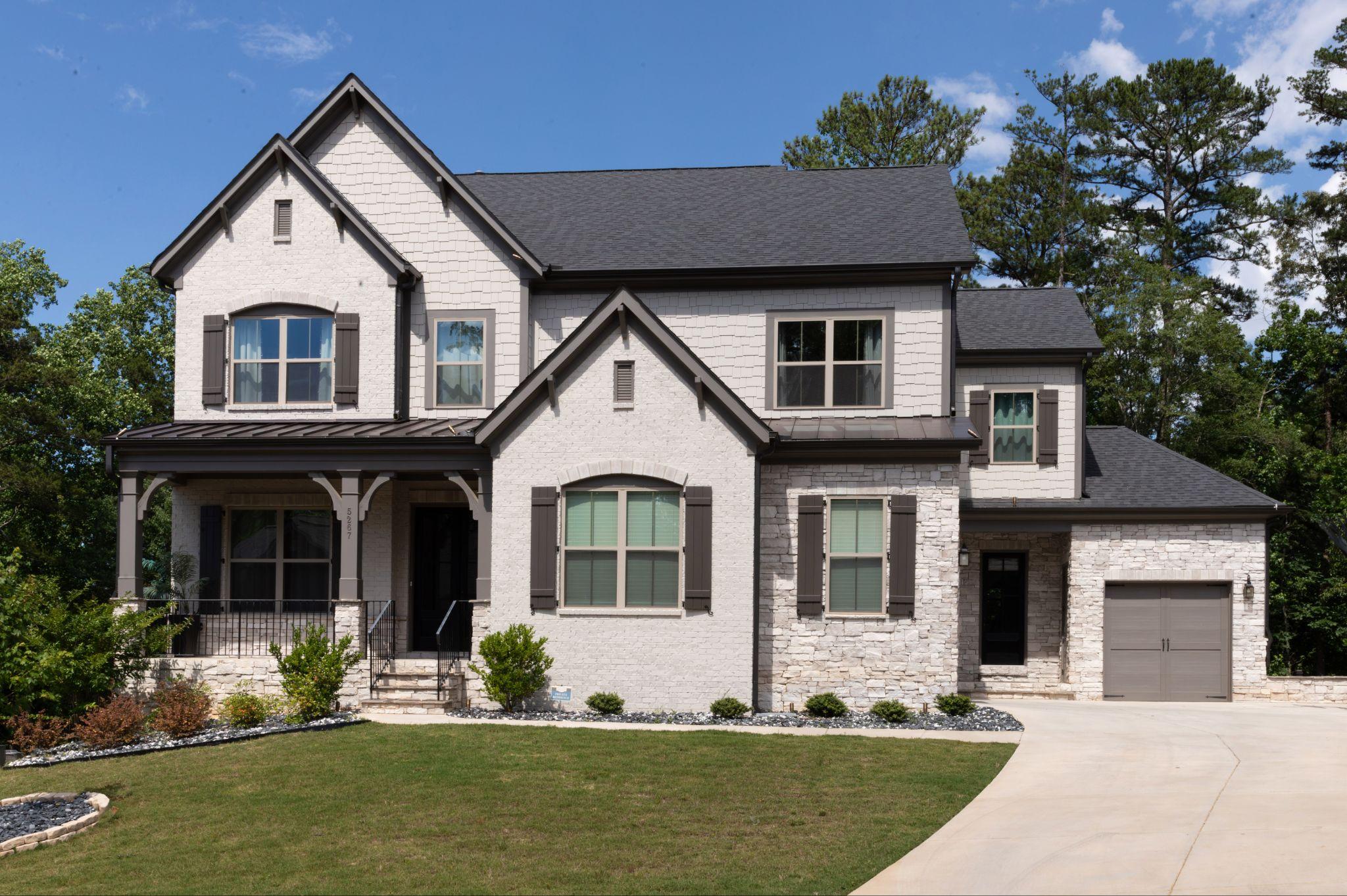
Brick gives a home a clean, orderly look that suits colonial, Georgian, and craftsman styles particularly well, and it’s been the safe, familiar choice for so long that it rarely looks out of place. Stone veneer does something brick can’t, because no two pieces are identical, and that natural variation gives a facade depth and a custom, high-end feel. For homeowners who want a look that feels distinctive rather than standard, whether that’s modern cottagecore, a mountain lodge feel, or a European cottage aesthetic, stone veneer tends to be the material that gets the closer look.
Weather Resistance: Where Each Material Meets Its Match
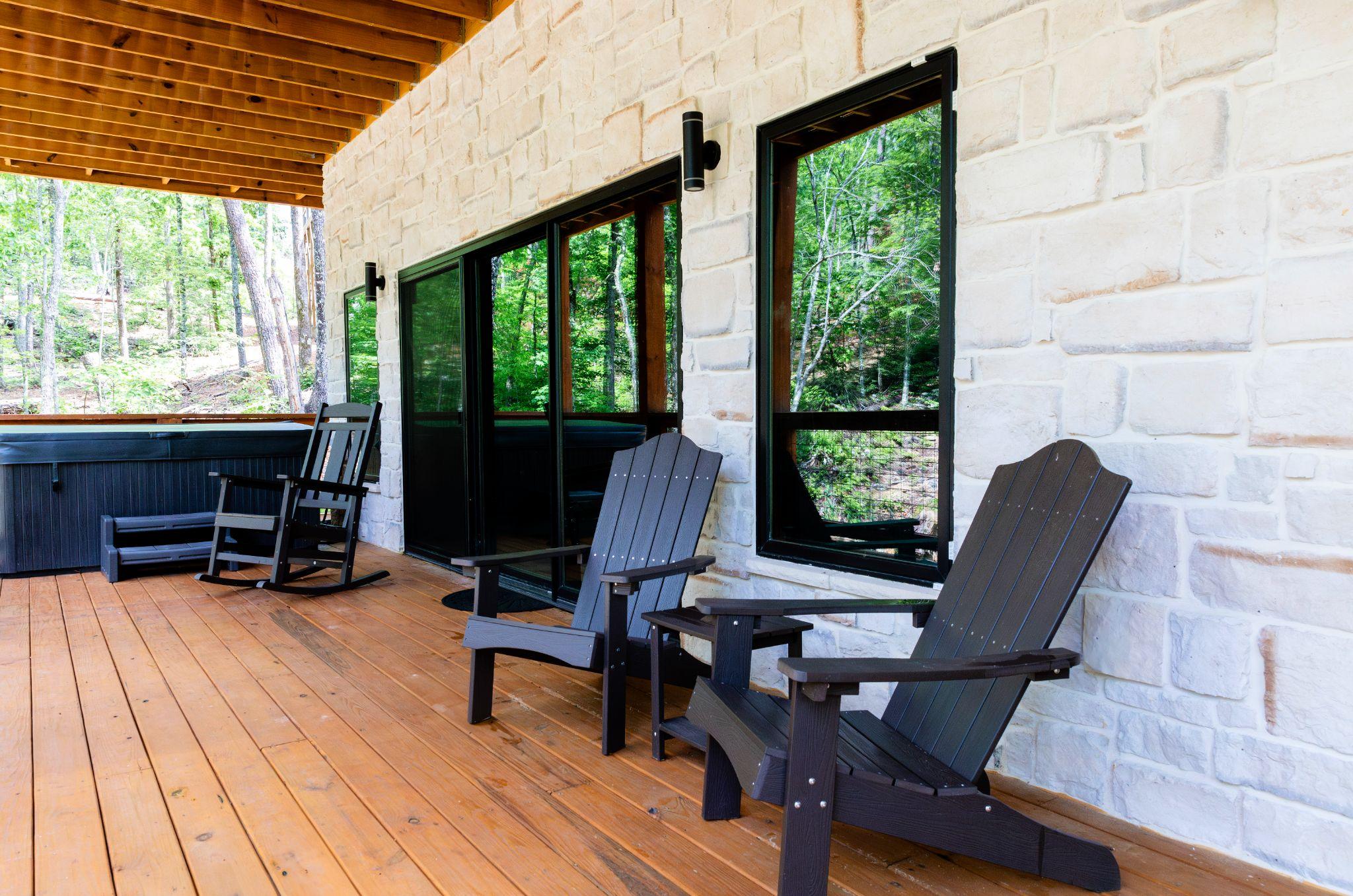
This is where the two materials really part ways. Fired clay brick can absorb moisture, and in regions with hard freeze-thaw cycles, that trapped water expands and contracts season after season until spalling and cracking set in. Horizon Stone’s dealer network stretches from the humid Southeast up through the freeze-thaw winters of the Midwest and Northeast, and manufactured stone veneer is engineered with a lower moisture absorption rate than brick, giving it a real edge in both extremes.
“Manufactured stone veneer is engineered with a lower moisture absorption rate than brick, giving it a real edge in both humid summers and freeze-thaw winters.”
Cost: Upfront Price vs. Long-Term Value
Brick has a reputation for being the wallet-friendly option, and for a simple installation, it usually is. Stone veneer’s price swings more with the profile and finish you pick, though manufactured stone has narrowed that gap quite a bit. Installation follows the same pattern. Brick’s uniform shape simplifies labor, but a full brick wall often needs extra support beneath it, which adds cost if your home doesn’t already have it. Stone veneer is light enough to skip that step, so installation can land right around brick’s price, sometimes less. Add in the weather protection and fewer repairs down the road, and stone veneer often wins on lifetime value.
Durability: How Each Material Holds Up Over Time
Both stone veneer and brick are built to last, but they age differently. Under normal conditions, brick holds up well and can last decades with basic care. Push it into harsher territory — extreme freeze-thaw cycles, prolonged moisture, salt air near the coast — and brick can crack, spall, or fade years earlier than expected. Manufactured stone veneer, meanwhile, is built to resist moisture, fading, and impact from the start, which is why it tends to hold its color and structural integrity longer, especially in climates where brick starts to show its age first.
Maintenance: Staying Ahead of Moss, Fading, and Wear
Both materials need some care to stay looking their best. Brick’s mortar joints need periodic attention since that’s typically where water finds its way in, and in damp or shady spots, either material can develop moss or mildew that needs scrubbing off. Sun exposure can fade color over the years too, though quality stone veneer is made with UV-resistant pigments that hold up noticeably better than brick over time. Between the two, stone veneer generally asks less of you. An occasional rinse and a visual check of the joints usually keeps it looking the way it did on installation day.
Making the Right Exterior Cladding Choice for Your Home
A brick exterior will always have a place on homes as a classic, dependable choice. But once you weigh how stone veneer performs against real weather, resists fading better over the years, and asks less of you in upkeep, it’s easy to see why so many homeowners land on stone once they’ve seen both up close. Photos only tell part of the story, so seeing the colors and textures in person makes the decision much easier. Browse our full collection on the Horizon Stone website, check out real projects on our Pinterest for design inspiration, and use our store locator to find a dealer near you.
See the Colors and Textures in Person
Photos only tell part of the story — find a Horizon Stone dealer near you and see the difference up close.
Stone Veneer vs. Brick Exterior Cladding Options at a Glance
| Factor | Brick | Stone Veneer |
|---|---|---|
| Style | Clean, uniform, classic look | Natural variation, custom, high-end feel |
| Weather Resistance | Absorbs moisture, prone to freeze-thaw damage | Lower moisture absorption, holds up in extremes |
| Cost | Lower material cost, simpler labor | Comparable installed cost, often lower long-term repairs |
| Durability | Holds up well under normal conditions | Resists moisture, fading, and impact longer |
| Maintenance | Needs regular mortar attention | Occasional rinse, holds color and joints longer |
Frequently Asked Questions (FAQ)
► Is stone veneer more expensive than brick?
It depends on the profile you choose. Standard brick installations are often less expensive upfront, but manufactured stone veneer has narrowed the gap, and its lower long-term repair costs can make it the better value.
► Does stone veneer hold up better in cold climates?
Yes. Manufactured stone veneer absorbs less moisture than brick, making it more resistant to freeze-thaw damage that causes cracking and spalling in colder regions.
► How much maintenance does stone veneer actually need?
Very little. An occasional rinse and a check on the joints is typically all it takes, and it holds up better against moss, mildew, and fading than brick does over the years.
► Can stone veneer be installed on any home style?
Yes. It works on modern cottagecore homes, traditional homes, and everything in between, and it’s often used alongside brick or siding as an accent rather than a full replacement.
► What should homeowners watch for as brick or stone veneer ages?
Keep an eye out for moss or mildew in damp, shady spots, fading in areas that get heavy sun, and cracked or crumbling mortar joints on brick. Catching these early keeps either material looking its best for longer.
► Is brick a bad choice for humid climates?
Not necessarily, but brick’s higher moisture absorption means it needs more attention to mortar and drainage in humid regions to avoid long-term water damage.
► Where can I see Horizon Stone products in person?
Use the store locator on our website to find a dealer near you, where you can view colors, textures, and profiles firsthand before making a decision.

PJ Haberstock
President, Horizon Stone
PJ Haberstock leads Horizon Stone with a commitment to high-quality craftsmanship and community-focused business values. Drawing on over 20 years of building products leadership, PJ focuses on integrity and innovation to ensure every client receives a premier experience. He remains dedicated to “building stronger communities” through strategic industry partnerships and a “customer-first” approach to leadership.