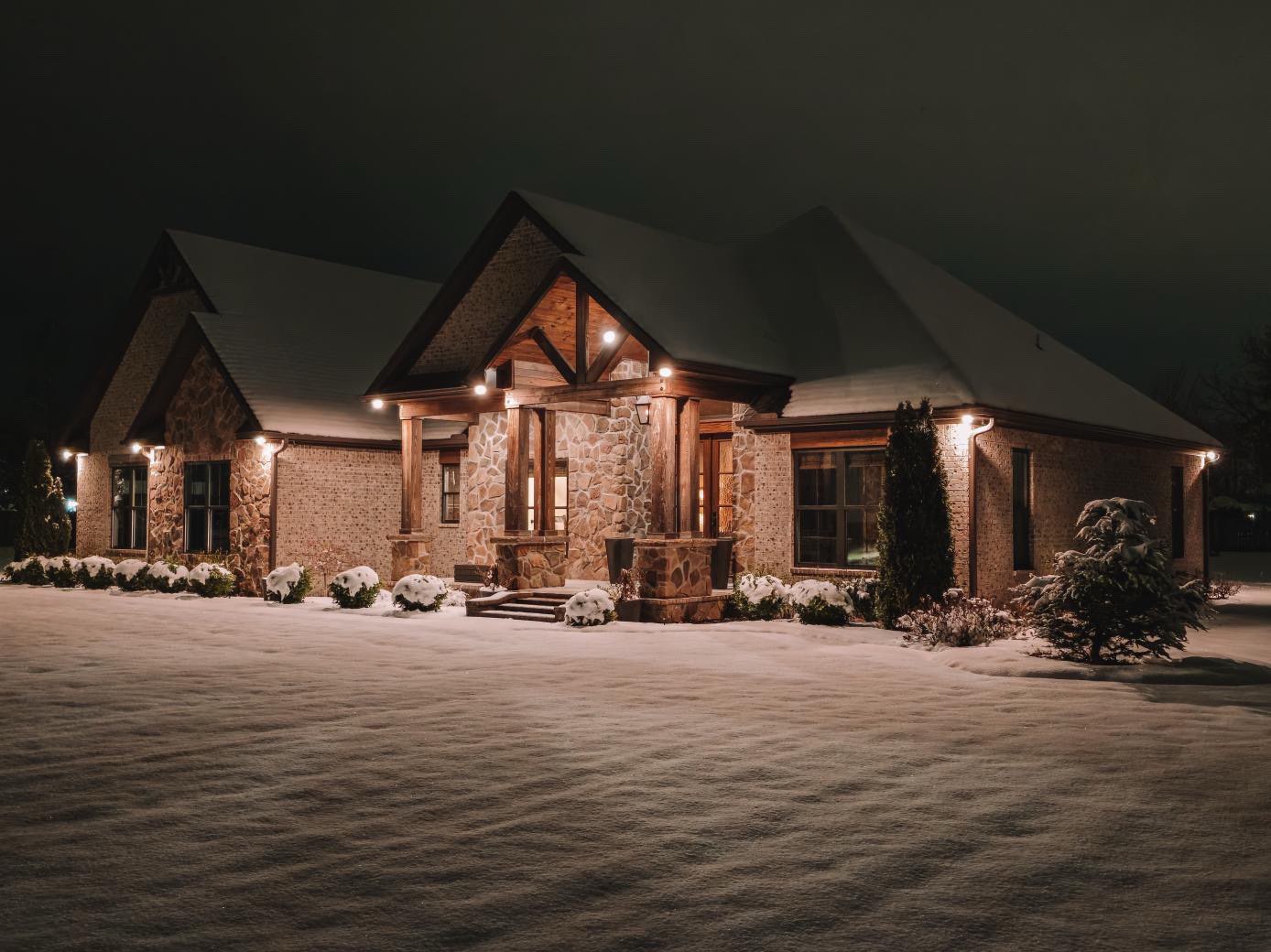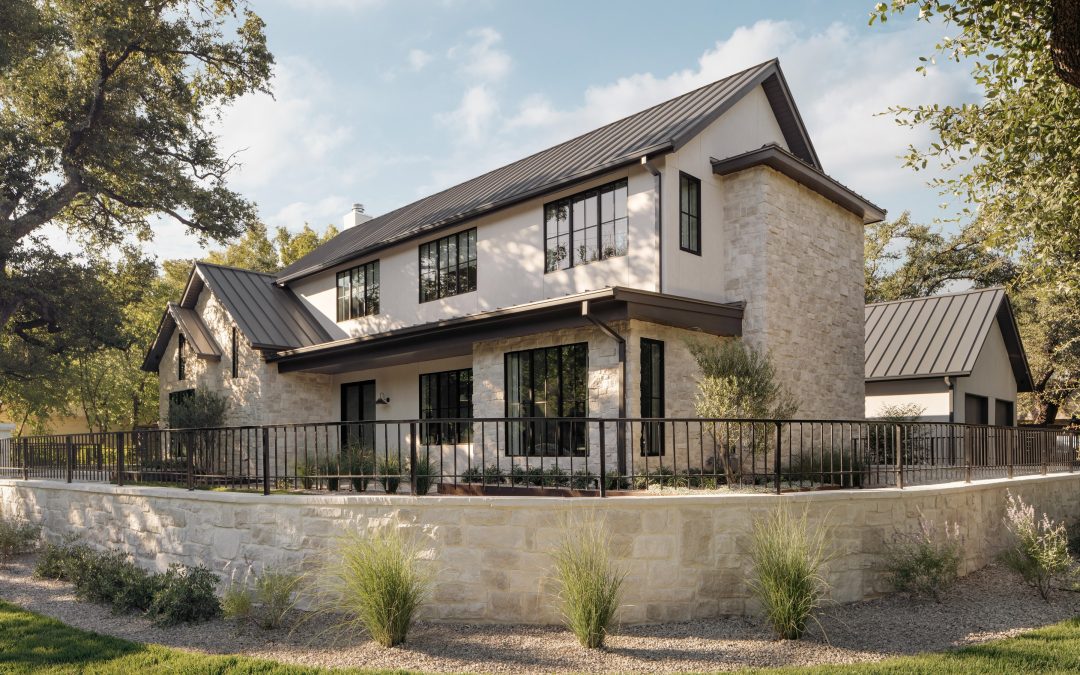
Stone Veneer: Your Home’s First Line of Defense against the Elements
When winter settles in, our homes become the ultimate retreat from the biting wind, heavy snow, and freezing rain. It’s the time of year when we really count on our home’s exterior to do the heavy lifting—acting as a sturdy shield that keeps the warmth inside and the damp chill out. A well-insulated home doesn’t just happen by accident; it starts with choosing a “shell” that’s tough enough to stand up to whatever the winter forecast throws its way.
Balancing Beauty and Durability
Choosing that exterior is a big decision, and it’s usually a mix of style and substance. Whether you’re aiming for a sleek modern vibe or that classic, cozy farmhouse look, you want a material that boosts your curb appeal and matches your home’s personality. The durability of stone veneer is why it is a favorite among homeowners and builders. It offers a timeless, high-end look without compromising. But if you live in a place where the temperature swings from rainy to freezing overnight, there are a few extra things to keep in mind—like how well the stone handles moisture and those tricky freeze-thaw cycles.
Five Ways Stone Veneer Excels in the Cold
Stone veneer’s engineering is what truly makes it a top-tier choice for winter weather. Unlike traditional materials that may struggle with extreme shifts in temperature, stone veneer is manufactured to be resilient and reliable. Here are five key ways stone veneer stands up to the frost.
Minimized Water Absorption
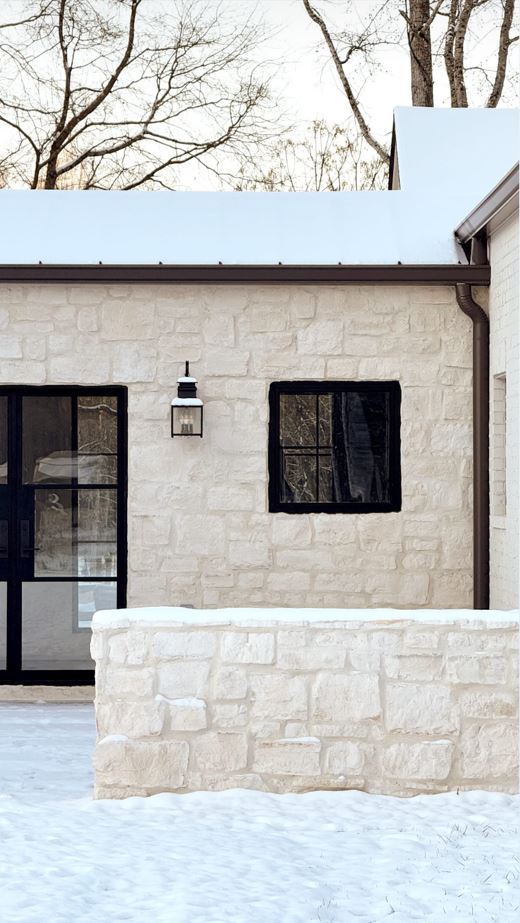
Stone veneer performs so well in cold climates because it resists moisture. While some natural stones can be porous and absorb water, high-quality stone veneer is engineered to be dense. This is a critical advantage when the temperature drops: if water can’t penetrate the stone, it won’t freeze and expand within the material. This significantly reduces the risk of “spalling,” the chipping or cracking often seen in less durable materials during the winter months.
Designed for Temperature Swings
A major benefit of stone veneer is its role in a complete wall system. When installed with the proper mortar and drainage planes, the exterior is better equipped to handle the natural expansion and contraction caused by temperature shifts. This structural flexibility ensures the stone remains secure and intact rather than becoming brittle in sub-zero weather. Plus, its lightweight nature prevents unnecessary stress on your home’s foundation during seasonal ground shifts.
Enhanced Thermal Protection
Stone veneer also provides a durable outer layer that helps insulate your home from the cold. By adding this extra mass to your exterior walls, you’re providing an additional barrier that helps maintain a consistent indoor temperature and supports your home’s energy efficiency. This extra layer of protection means your heating system doesn’t have to work as hard to keep your family comfortable during a cold snap.
Resistance to Harsh Winter Elements
Beyond the temperature itself, winter brings other challenges, such as road salt and increased UV exposure from sunlight reflecting off the snow. High-quality stone veneer is manufactured with integrated pigments that resist fading and chemical wear. This ensures that the beautiful “new home” look you fell in love with during the summer doesn’t look dull or weathered by the time the spring thaw arrives.